Floods: Causes, Risks, and How to Stay Safe
Overview
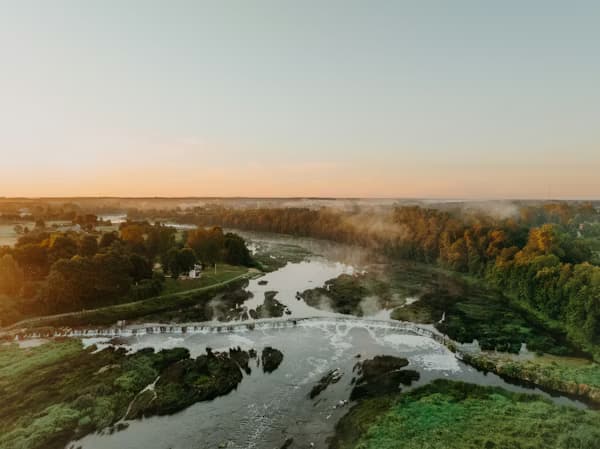
Floods occur when water overflows onto land that is normally dry. They are among the most frequent natural disasters worldwide, affecting millions of people each year. Floods can develop slowly over days or strike suddenly within minutes, especially during heavy rainfall or storm surges.
Causes & Warning Signs
Causes
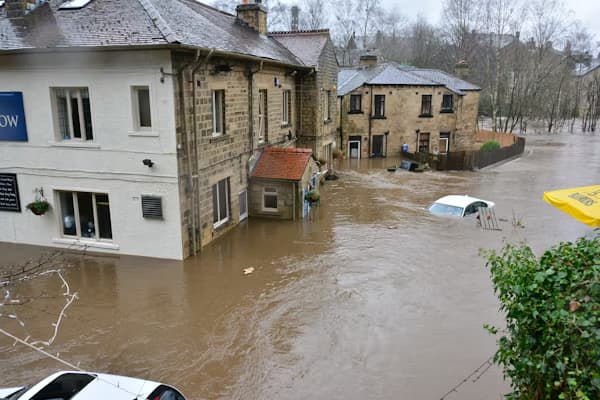
- Heavy or prolonged rainfall
- River or lake overflow
- Rapid snowmelt
- Storm surges in coastal areas
- Dam or levee failure
Warning Signs
- Rising river or water levels
- Continuous heavy rain
- Flood alerts from authorities
- Water pooling in unusual places
Preparedness
Before a Flood
- Know your local flood risk and evacuation routes
- Elevate electrical appliances and valuables
- Keep important documents waterproofed
- Prepare an emergency kit
During a Flood
- Move to higher ground immediately
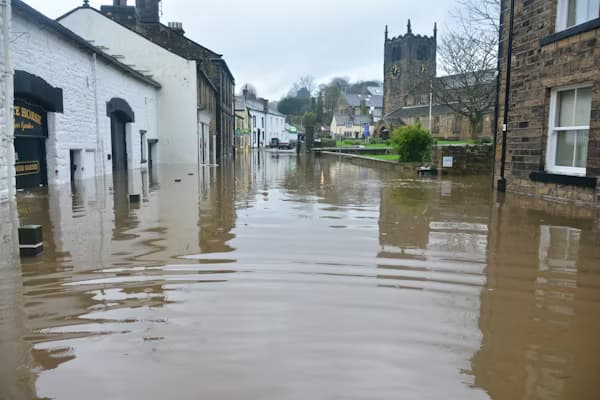
- Avoid walking or driving through floodwater
- Follow evacuation orders without delay
After a Flood
- Avoid contaminated water
- Check structures before entering buildings
- Clean and disinfect affected areas
Emergency Checklist
- Drinking water
- Waterproof flashlight and radio
- First-aid kit
- Rubber boots and gloves
- Emergency contacts
Learning Resources
- 🌐 https://www.ready.gov/floods
- 🌐 https://www.redcross.org/get-help/how-to-prepare-for-emergencies/types-of-emergencies/flood.html
- 🌐 https://www.who.int/health-topics/emergencies
Real-Life Examples
Kerala Floods (2018)
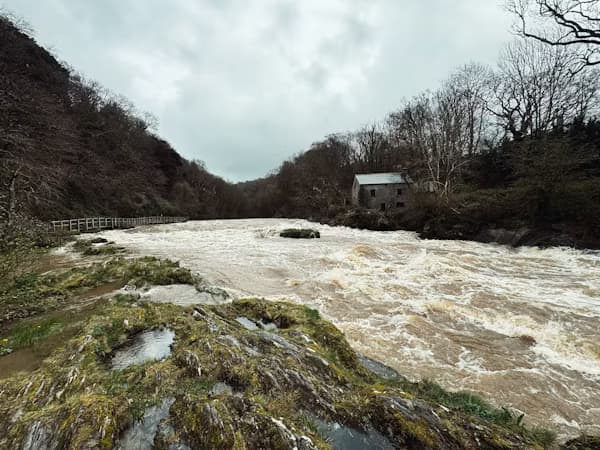
Heavy rainfall caused severe flooding, highlighting the importance of early evacuation and disaster planning.
European Floods (2021)
Demonstrated the growing impact of climate change on extreme rainfall events.
Key Takeaway
Floods can happen quickly—preparedness and early action save lives.