What Are Earthquakes and How Can You Prepare?
Overview
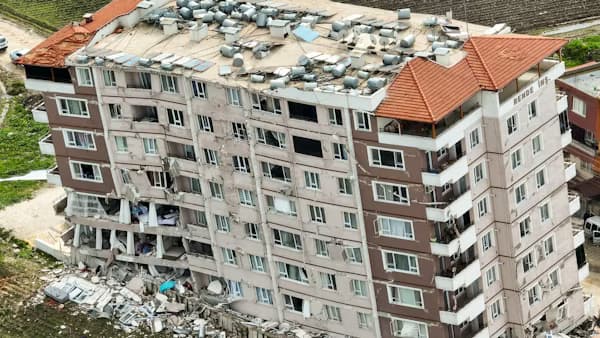
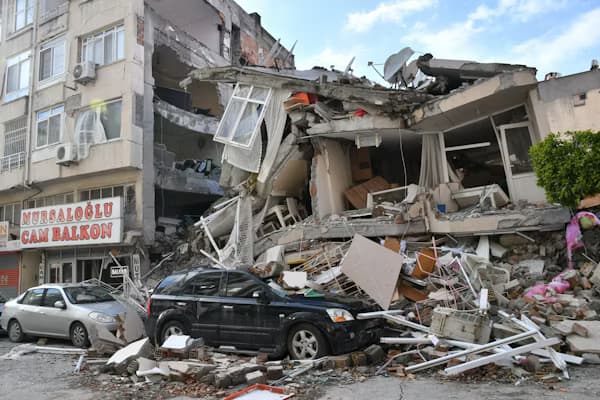
An earthquake is a sudden shaking of the ground caused by the movement of tectonic plates beneath the Earth’s surface. This movement releases energy in the form of seismic waves, which can damage buildings, roads, bridges, and utilities.
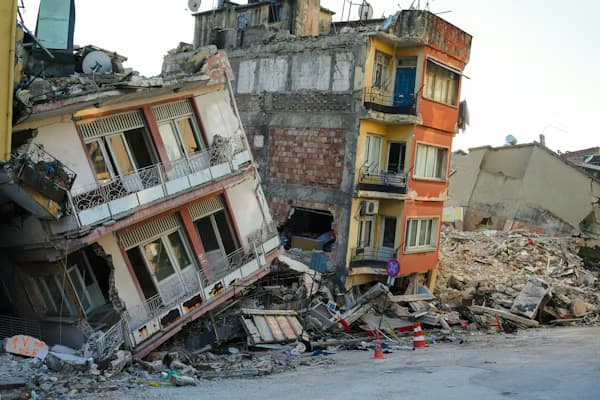
Earthquakes are among the most unpredictable natural disasters, often striking without warning. While they usually last only seconds, their impacts can be devastating—especially in densely populated areas.
Causes & Warning Signs
Causes
- Sudden movement along geological faults
- Shifting of tectonic plates
- Volcanic activity
- Human activities such as mining or large reservoirs
Warning Signs
Earthquakes usually cannot be predicted, but some possible indicators include:
- Small tremors (foreshocks)
- Unusual animal behavior
- Sudden changes in groundwater levels
⚠️ Always rely on official seismic alerts, not rumors or myths.
Preparedness
Before an Earthquake
- Secure heavy furniture and appliances to walls
- Identify safe spots in each room (under sturdy tables)
- Prepare an emergency kit for your household
- Practice earthquake drills with your family
During an Earthquake
- Drop, Cover, and Hold On
- Stay indoors and away from windows
- If outside, move to an open area away from buildings and power lines
- Do not use elevators
After an Earthquake
- Check yourself and others for injuries
- Inspect gas, water, and electrical lines
- Expect aftershocks and stay alert
- Follow instructions from local authorities
Emergency Checklist
Make sure your emergency kit includes:
- ✅ Drinking water (at least 3 days)
- ✅ Non-perishable food
- ✅ Flashlight & extra batteries
- ✅ First-aid kit
- ✅ Whistle & emergency contacts list
- ✅ Power bank or battery radio
- ✅ Copies of important documents
Learning Resources
Use trusted sources to deepen your knowledge:
-
🌐 USGS Earthquake Program
https://earthquake.usgs.gov -
🌐 World Health Organization – Emergency Preparedness
https://www.who.int/health-topics/emergencies -
🌐 Red Cross Earthquake Safety Guide
https://www.redcross.org/get-help/how-to-prepare-for-emergencies/types-of-emergencies/earthquake.html -
📘 FEMA Earthquake Preparedness
https://www.ready.gov/earthquakes
Real-Life Examples
Japan Earthquake (2011)
Japan’s advanced early warning system provided critical seconds of notice, allowing trains to stop and people to take cover—saving thousands of lives.
Gujarat Earthquake (2001)
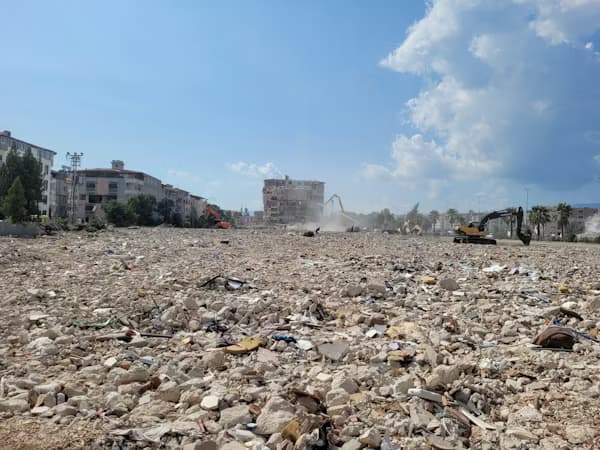
This earthquake highlighted the importance of earthquake-resistant building design and proper urban planning.
🧠 Lesson learned: Preparedness, strong infrastructure, and public education save lives.
Key Takeaway
Earthquakes cannot be prevented—but their impact can be reduced. Learning how to prepare, respond, and recover is the most powerful tool for protecting lives and communities.